
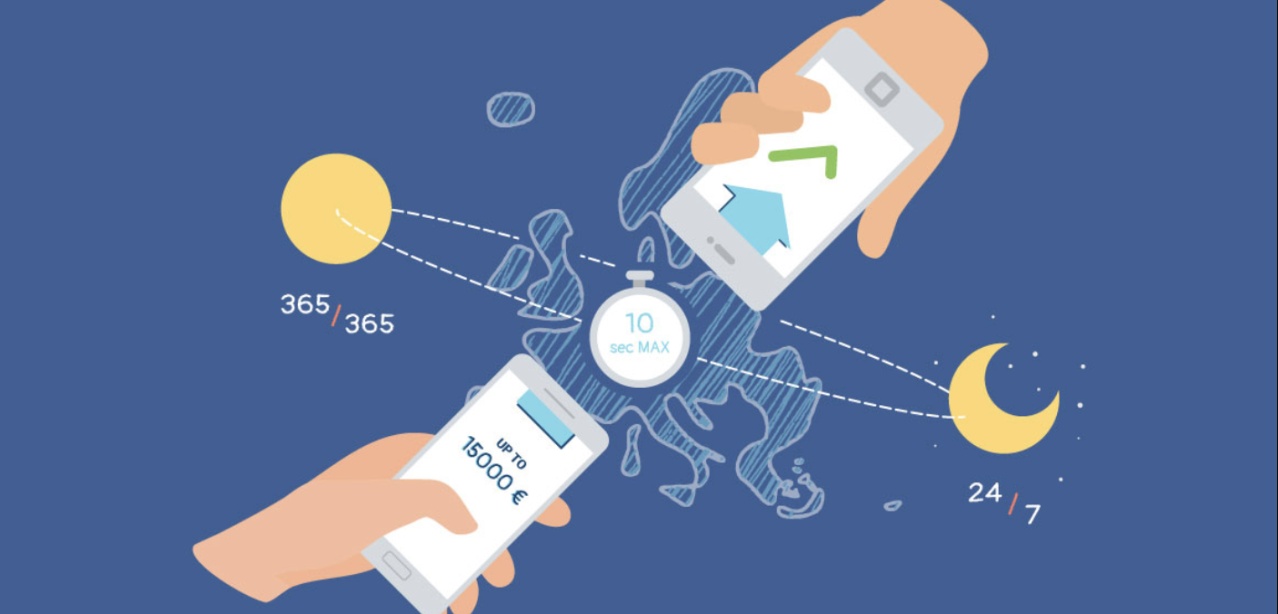
Digital interactions are reshaping multi-industry consumer expectations, and for iGaming operators meeting those expectations has become critical to survival. Of the online European lottery houses, 82 per cent consider quick cash to be an important criterion in the selection of platforms, and 79 per cent value the speed of deposit. More than half of the players tend to turn to platforms that provide immediate cash-as-you-go services. In the digital age, the speed, security and fluidity of payment processes have become central elements of game experience.
Payment efficiency directly impacts player life-cycle valueWhile financial security is the foundation of players ‘ concerns, more efficient payments affect trust and brand reputation. Slow payment processes can significantly undermine player retention. Studies in the United States indicate that 78 per cent of the playhouses receiving withdrawals within 24 hours will refill within one week, while only 32 per cent of the players waiting for more than five days will refill. Paymix Pro, an iGaming payment service provider, noted that in an increasingly competitive industrial environment, the speed of payment processing has become a key variable in reducing the rate of loss of users.
According to Mina Mitkova, Chief Operator of Paymix Pro, “The global trend of instant payments has redefined the player’s expectation that `immediate’ will become the new standard. Players expect deposits to be made in real time and the cash withdrawal process to be completed in minutes. This need for speed increases their demands for security and transparency.” She emphasized that smooth payment was increasingly seen as an integral part of the game experience rather than as an independent operational component. Two-wheel drive regulatory and infrastructureThe widespread availability of immediate payment plans for SEPA (single euro payment zones) across Europe has accelerated the real-time transfer process. Under the Immediate Payments Treaty, adopted in March 2024, eurozone banks achieved the immediate payment-receipt function in January 2025, fully operational in October 2025, and now have a cross-border payment network of 7*24 hours and 10 seconds.
Mina Mitkova stated that the SEPA Immediate System “has fundamentally improved the liquidity management of iGaming operators by optimizing cash flows, reducing pre-financing dependency and increasing the visibility of funds. For players, immediate settlement of direct transfers between accounts supported by the European Open Bank API can significantly reduce long-term pains, such as failures in transactions, bank card withholdings and refund disputes, “directly contributing to higher conversion rates and longer player life cycles”. Structural changes in immediate A2A paymentsDirect transfers between immediate accounts are breaking through the European market as a global trend. Global A2A payments are projected to increase from 60 billion in 2024 to 186 billion in 2029. Mina Mitkova analyses: “The traditional banking card system is not designed for real-time digital ecology, but its limitations are becoming more and more evident in the iGaming scene.” Immediate A2A eliminates unnecessary intermediaries through direct bank connections, not only reducing operating costs but also more effectively reducing the risk of fraud. Open banks have revolutionized at the compliance level. With the authorization of the player, the operator can verify the account information in real time through the newly introduced Payee Validation Plan, without having to repeat documents or intrusive reviews. When combined with immediate A2A transfers, “compliance processes are more invisible to end-users, legal players gain a more fluid experience and operators enhance their ability to control and audit.

Building ecological synergistic payment infrastructurePaymix Pro emphasizes that tripartite collaboration between operators, open banking service providers and payment service providers is essential for establishing a resilient payment ecology. “In today’s regulatory environment, no participant can operate in isolation,” Mina Mitkova says, “Deep cooperation can help deliver compliance, scalable and robust payment solutions”. This synergy provides a professional advantage: operators understand players ‘ behaviour, payment service providers manage compliance flows and open bank providers ensure secure real-time connectivity. For the future, the operator invests in a multi-payment structure, focusing on the immediate layout of the A2A digital channel, open bank payment flows and a direct bank-to-company programme that is consistent with local regulation. Mina Mitkova concluded that “immediate payments are not a short-term trend, but a fundamental change in the digital flow of value. Operators who re-engineer money management, compliance systems and player experience early on around real-time A2A will take the lead in reshaping traditional financial patterns.”