
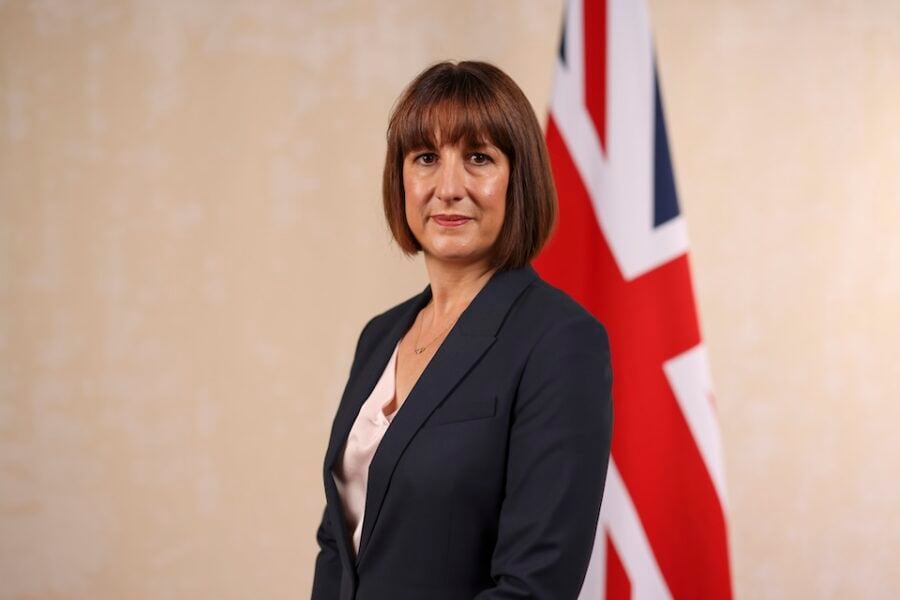
In the fall budget case, British Treasury Secretary Rachel Reeves officially confirmed that British online lottery operators (especially online casino operators) would face significant tax increases.
At that time, online casino operators will face the worst impact: the tax on remote games in this area has nearly doubled from 21 per cent to 40 per cent since April 2026. Although the new tax rates were lower than 50 per cent previously advocated by the think tank IPPR and former Prime Minister Gordon Brown and others, they still far exceeded market expectations. At the same time, the combined lottery tax for online sports games will be increased from 15 per cent to 25 per cent from April 2027. In order to protect the real gaming industry, the Government decided to maintain the rate of the street-side betting shop (including in-shop games) at the same time as a complete exemption from the increase in the tambourine. Rachel Rivers made it clear that the funds would be used to abolish the “two-child ceiling” policy for child welfare.
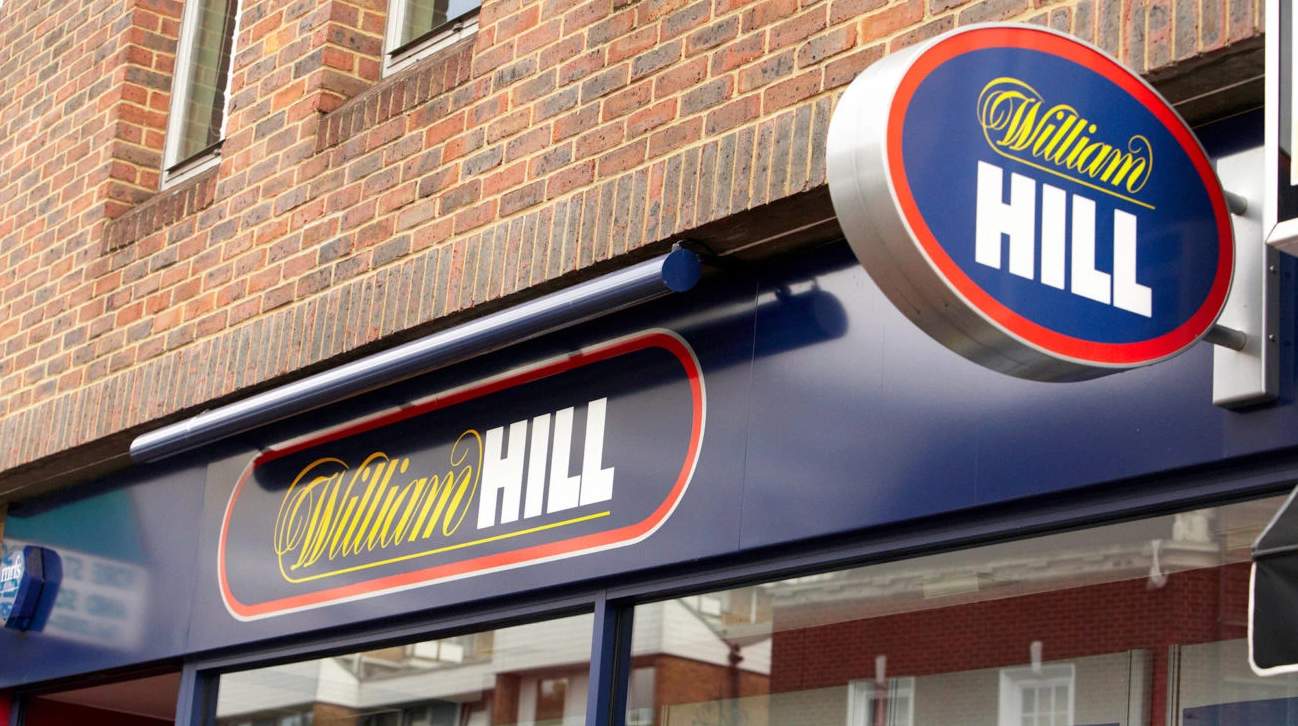
The British Government recognizes that if tax increases result in a reduction in the rate of compensation and preference, they may reduce legitimate gambling and force some users to switch to the black market. However, Rivers stressed that selective heavy penalties for online gambling were “linked to the highest levels of social harm”. Despite long-anticipated tax increases in the market, the prices of many lottery giants fell after the budget had been announced. The price of the stock of diversified operators (e.g., Flutter with Paddy Power, Entain with control of Ladbrokes and Coral, and Rank Group with operation of Grosvenor Casino and Mecca Bingo) subsequently rebounded, as policy clearly showed that online casinos suffered the most. However, the Evoke company, which owns 888 and William Hill under the flag, has been severely hit, with the stock price falling by over 18 per cent. The Rank Group estimates that this increase will reduce its operating profits by Pound40 million.
The British political response to the policy of increasing the lottery tax has been polarized. The Chairman of the Financial Task Force, Meg Hillier, supported the policy, stating that Rivers had overcome the industry’s “dangerous intimidation”. She had previously criticized the gaming lobby and stated: “Sports such as races and bingo halls have made a positive contribution to British culture, but long-distance gambling, such as online tiger machines, can quickly drain savings from vulnerable groups by just a few small cell phones. The position of the Minister of Finance is a source of great relief.” This was strongly protested by the lottery. Grainne Hurst, Chief Executive Officer of the British Lottery Commission, condemned: “This huge increase in taxes on online lottery will make it the highest in the world, with devastating effects on tens of thousands of practitioners and millions of legitimate users across the country. The regulated lottery industry is the United Kingdom ‘ s small global advantage, contributing Pound6.8 billion annually in economic output, Pound4 billion in taxes, supporting 109,000 jobs and providing critical funding for British sport. While we welcome the decision to exempt the real lottery and eliminate the bingo tax, excessive online tax increases will destroy employment, investment and growth. In so doing, the Government has given the market to the huge black market, which neither pays taxes nor provides any protection mechanisms for players. This is an all-out blow to employment, consumers, sports, and even to safety!”
With the introduction of the policy, it will be the biggest winner, as the Seima lottery is completely exempt from tax increases. The British Race Authority claims that its “Abolition of the Race Tax” campaign succeeded in persuading the Government to abandon its original proposal to “unify all online lottery taxes”. The rate for horse races will remain unchanged at 15 per cent. BHA Chairman Charles Allen said: “The government is rightly aware that horse racing is not only an important component of the British way of life, but also a central lever for global leadership and the soft power of the state. We must defend Britain’s place on the world stage.”