

IGD is still an emerging phenomenon that is not fully understood. A recent study published in the journal PLOS ONE, based on a survey of primary and secondary school students in Hong Kong in 2022, shows that men who play one game for more than five hours are more likely than women to have an addiction to play.
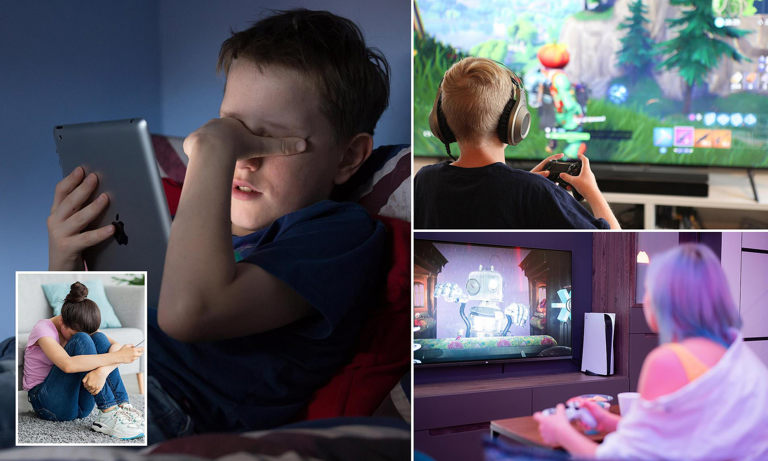
The survey issued by PLOS was conducted between 13 June and 31 December 2022 and covered 2592 Hong Kong primary and secondary school students using a convenient sampling method (an average age of 11.89 years, of which 1404 were boys and 1188 were girls). The survey included both mobile phones and computer games in the category of crazy games and assessed indicators such as IGD, depression, anxiety, stress, loneliness, social support, sleep quality and educational self-efficiency through self-assessment tables. Researchers use the ANCOVA model to adjust variables such as age and daily game time, to compare the differences between crazy gamers, non-crazy gamers and non-players, and to analyse them in a hierarchical manner by gender.
This conclusion is not yet conclusive because of the limited number of samples, but it does indicate gender differences in the negative effects of the game. The results show that the overall prevalence of crazy games is 31.7 per cent, compared to 38.3 per cent for boys, which is significantly higher than the 24.0 per cent for girls. This gender disparity highlights the increased involvement of boys in long-term play behaviour, which may be linked to sociocultural factors, such as the tendency of boys to seek competition and achievement through games.
The study found that crazy games are closely related to many negative physical and mental health indicators. Mad gamers are more likely than non-crazy gamers to have IGD symptoms, depression, anxiety, stress, reduced sleep quality and reduced learning effectiveness. This impact is particularly pronounced among boys: boys who are more obsessed with crazy games are more vulnerable to these problems than girls, indicating that boys may be more sensitive to play addiction.
In addition, female gamers report higher levels of loneliness and lower levels of social support, which may result from the interference of the game with the social interaction of girls or from the unique challenges that girls face in the play community. It is worth noting that boys in non-crazy games are less likely than non-player girls in terms of stress, anxiety, grief and depression, suggesting that moderate games may have some positive effects on boys, such as de-pressure, but that the negative effects are magnified when they turn into crazy games.

Researchers suggested that interventions for IGD and continuous games should take into account gender specificity to address associated physical and mental health risks. More research may be needed in the future to validate the results and deepen the findings. This PLOS ONE study highlights the complexity of the game of madness as an emerging phenomenon, particularly its differential impact on adolescent girls and boys. While the conclusions need to be tested in larger samples, they remind us that, in the digital age, balancing play and health is essential. Gender-sensitive interventions will better protect against potential risks and promote healthy adolescent development